 Rheumatic & arthritis
Amavata
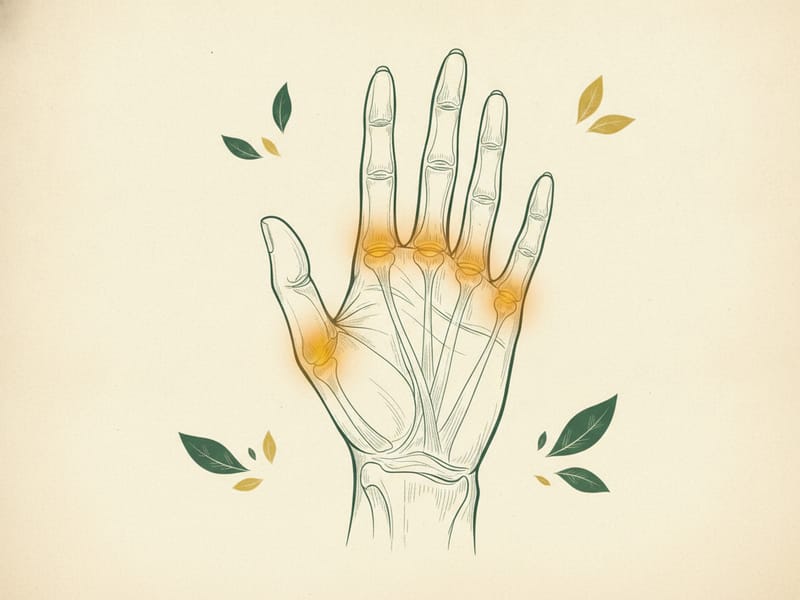
Rheumatoid Arthritis
An autoimmune arthritis where the joint lining becomes inflamed, causing symmetrical pain, swelling and morning stiffness in the small joints of the hands and feet.
Joint, Spine & Pain Clinic
Every condition explained twice: what modern medicine sees in your scans and blood tests, and what classical Ayurveda sees in your Doshas, digestion and tissues. Then a plan built on both.
Two lenses, one plan
Modern diagnostics tell us exactly what has changed in the joint. Ayurveda tells us why it happened in you, and how to restore balance.
Identifies the structure and process: inflammation, autoimmunity, cartilage wear, disc bulge or crystal deposits, confirmed by blood tests, X-ray and MRI.
Traces Nidana (causes) and Samprapti (disease pathway): which Dosha is aggravated, whether Ama (toxic residue) is present, and which tissue is affected.
Your reports guide safety and monitoring, while Ayurvedic herbs, diet and Kerala therapies address the root. We work alongside your existing doctors and medicines.
Conditions directory
Choose a group, then open any condition to see its causes, tests and treatment in modern medicine beside its Ayurvedic etiopathology and therapy.
16 conditions
Rheumatic & arthritisAn autoimmune arthritis where the joint lining becomes inflamed, causing symmetrical pain, swelling and morning stiffness in the small joints of the hands and feet.
 Rheumatic & arthritis
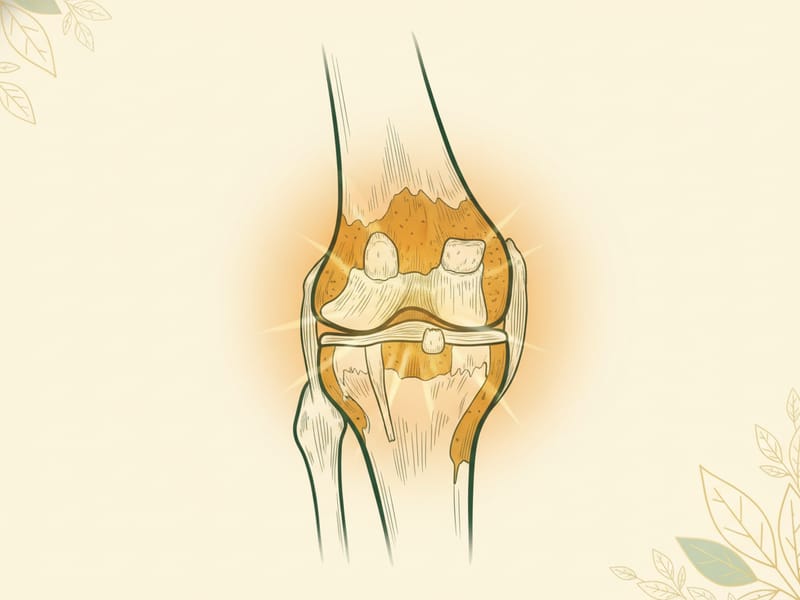
Wear-and-tear arthritis where the cushioning cartilage thins, most often in the knees, hips and hands, bringing pain on movement and a grating feeling.
 Rheumatic & arthritis
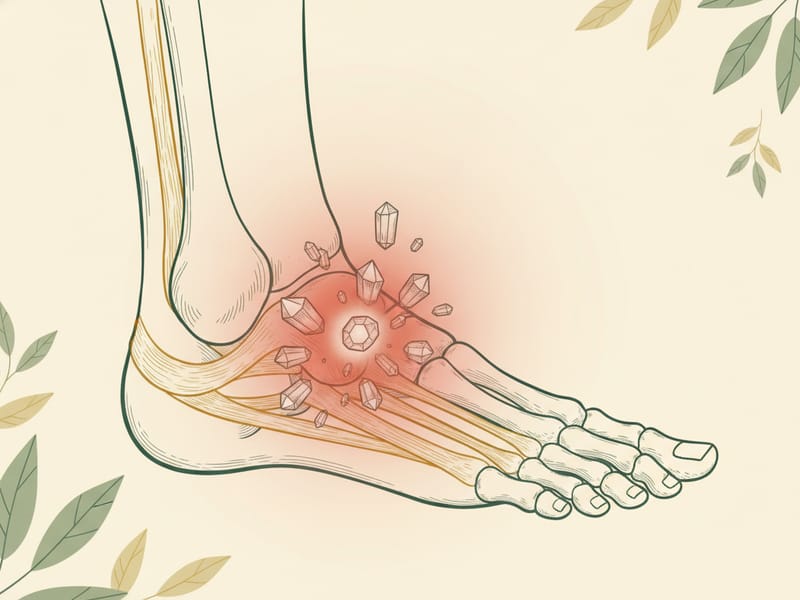
Sudden, intensely painful attacks of joint inflammation, classically in the big toe, caused by uric acid crystals forming in the joint.
 Rheumatic & arthritis
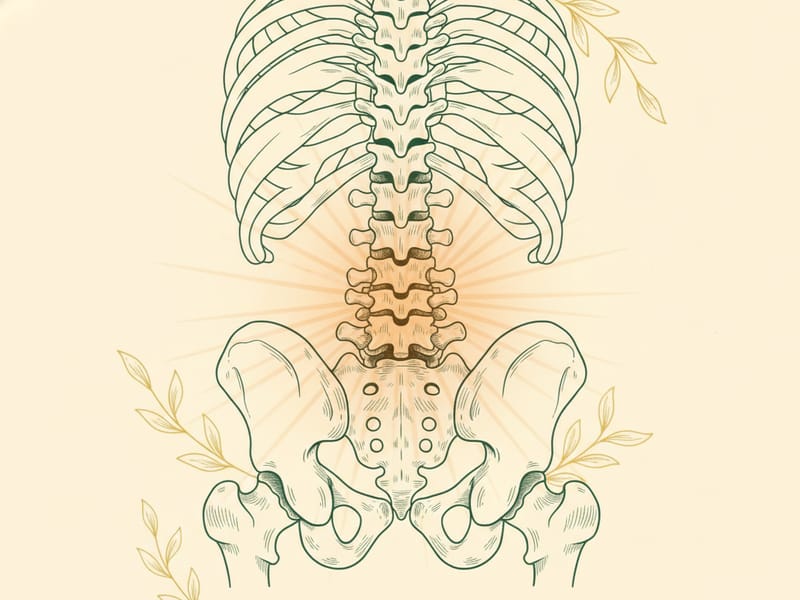
An inflammatory arthritis of the spine and pelvis that causes long-standing low back pain and stiffness in young adults, which improves with movement.
 Rheumatic & arthritis
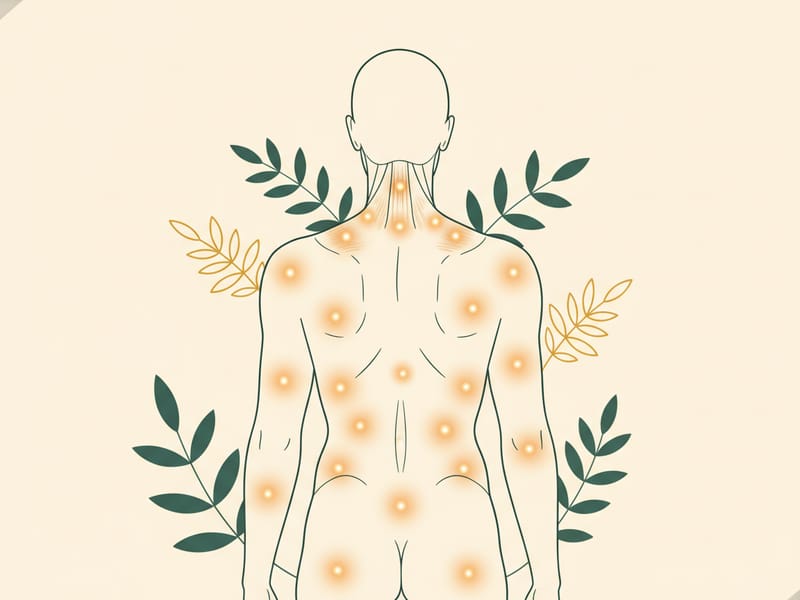
Widespread muscle pain and tenderness with deep fatigue, poor sleep and brain fog, caused by an over-sensitive pain system rather than joint damage.
 Spine & back pain
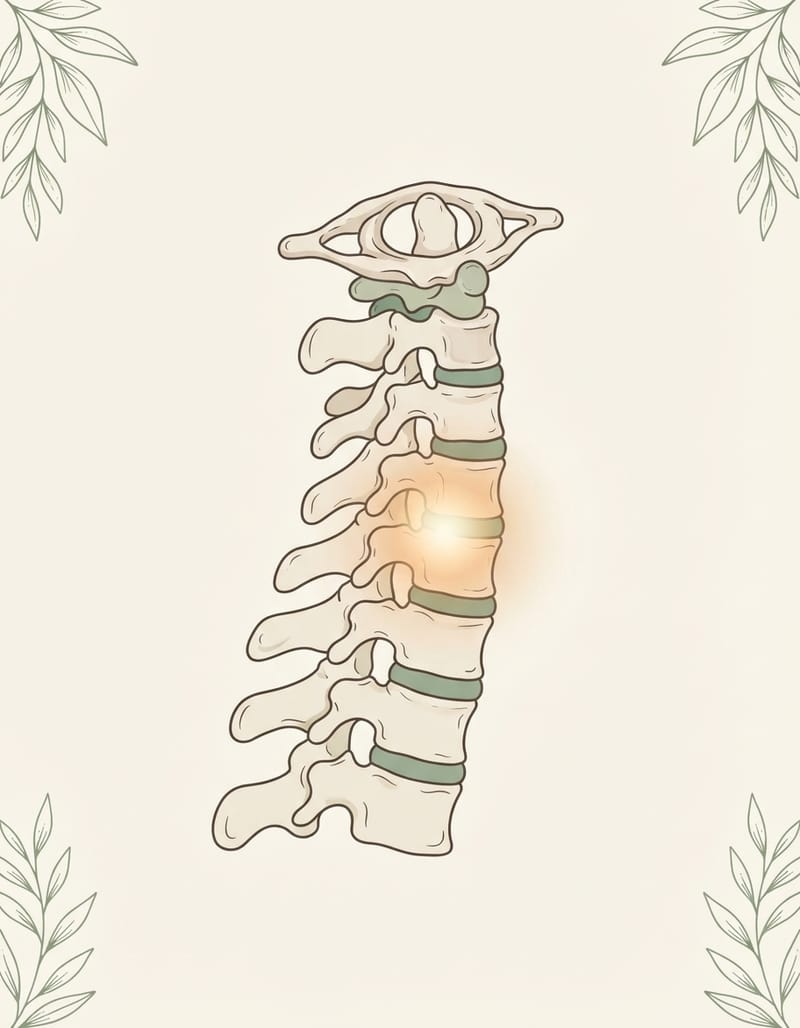
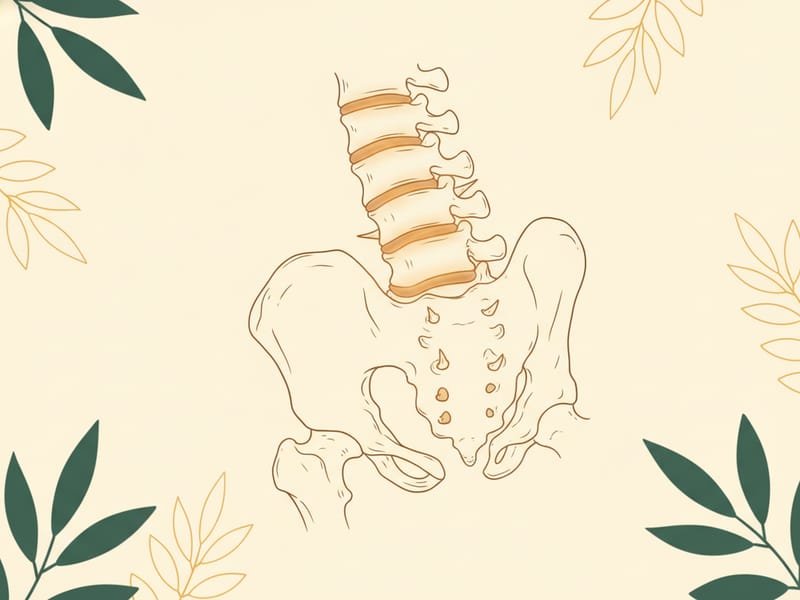
Age and posture-related wear of the neck discs and joints, causing neck pain, stiffness, headaches and sometimes pain or tingling down the arms.
 Spine & back pain
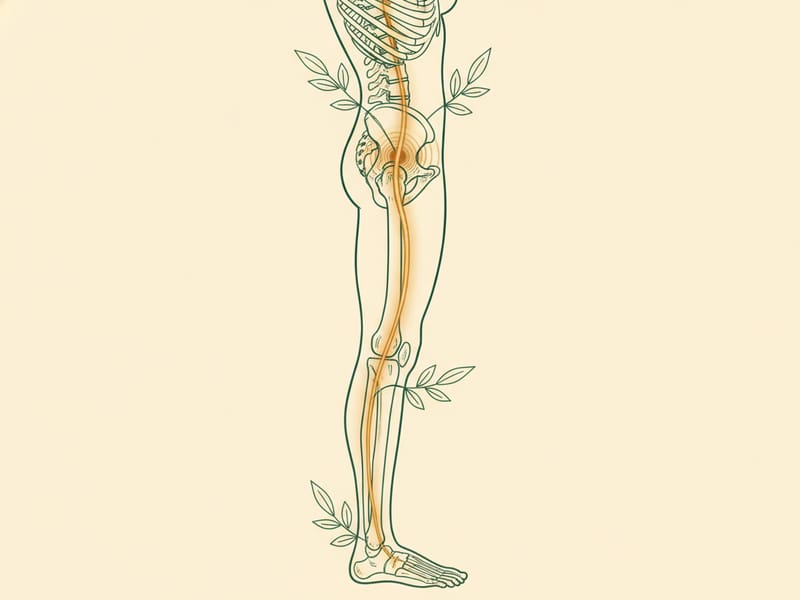
The most common cause of low back pain: wear of the lower discs and joints, with muscle strain, stiffness and reduced bending.
 Spine & back pain
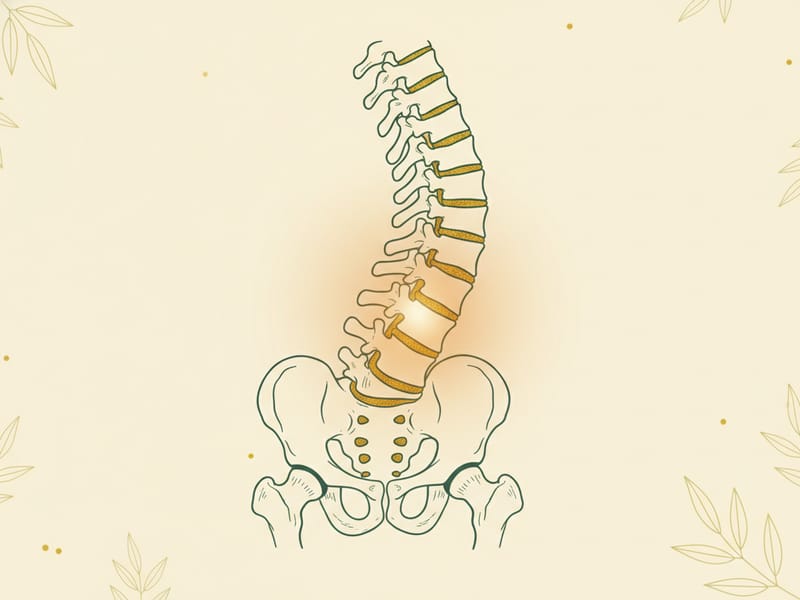
Shooting pain from the buttock down the back of the leg, usually from a bulging or herniated lumbar disc pressing on the sciatic nerve.
 Spine & back pain
One vertebra slips forward over the one below it, most often at the lowest level of the spine, causing back pain and sometimes leg pain.
 Hip pain
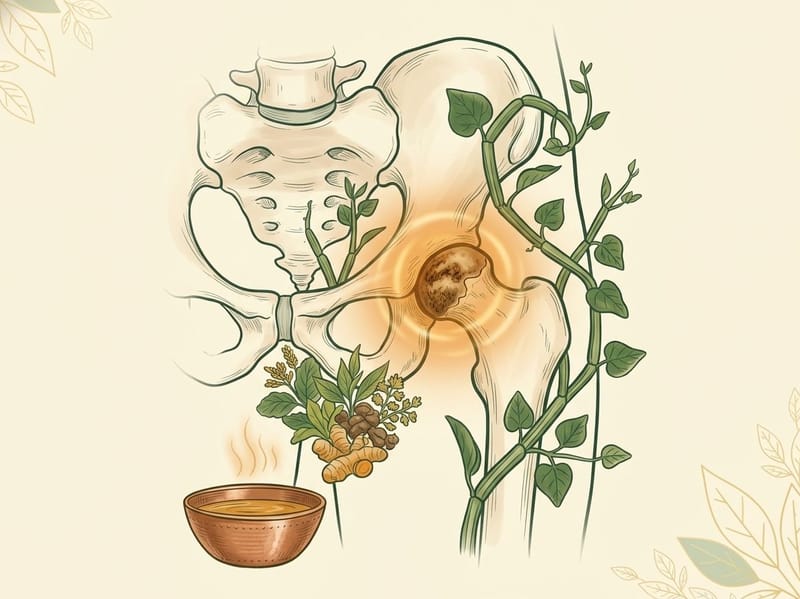
Bone tissue in the ball of the hip (femoral head) dies because its blood supply is interrupted. It is also called osteonecrosis of the femoral head (ONFH), aseptic or ischemic necrosis. It typically causes deep groin pain and, if untreated, the weakened bone can collapse and lead to arthritis.
 Sports & soft tissue
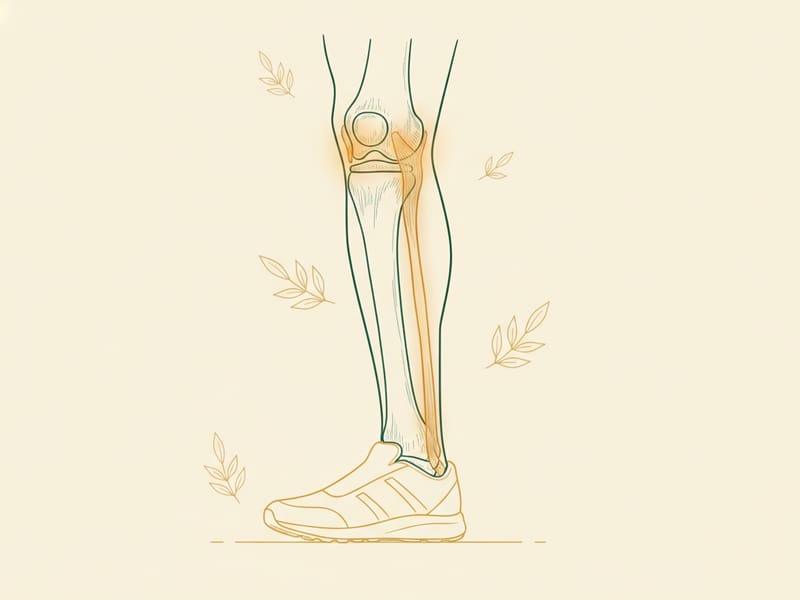
Sprains, strains, ligament tears and overuse injuries of the ankle, knee and hamstring in active people, with pain, swelling and instability.
 Sports & soft tissue
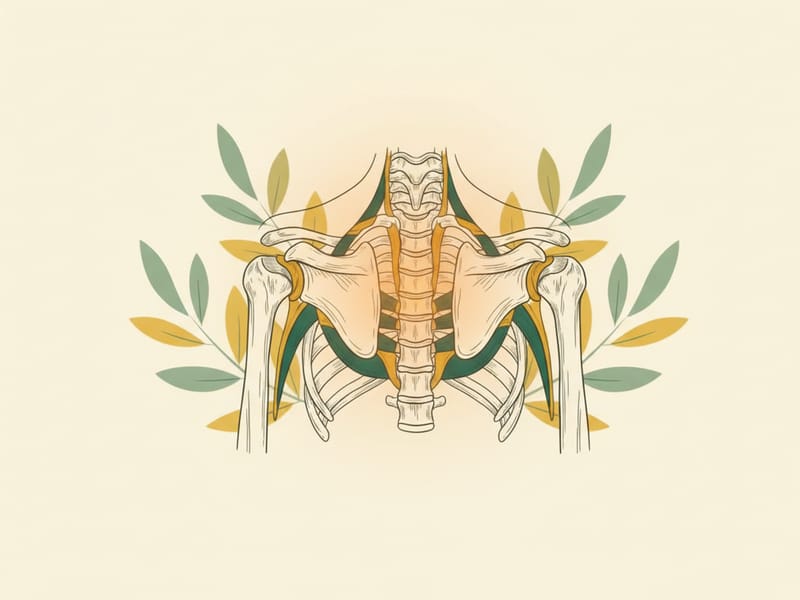
The shoulder capsule thickens and tightens, causing pain and a steady loss of movement, especially in people with diabetes or thyroid conditions.
 Sports & soft tissue
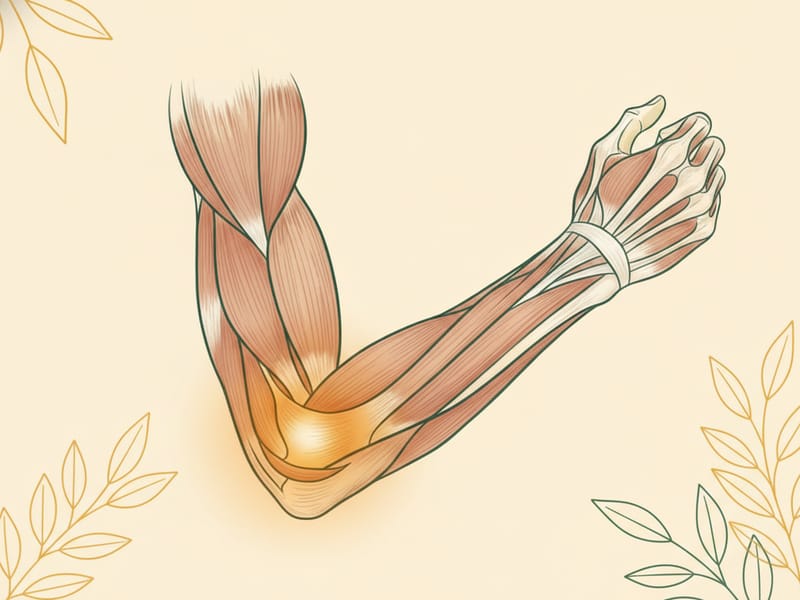
Overuse pain where forearm tendons attach at the outer elbow, common in office workers, racquet players and anyone gripping repeatedly.
 Sports & soft tissue
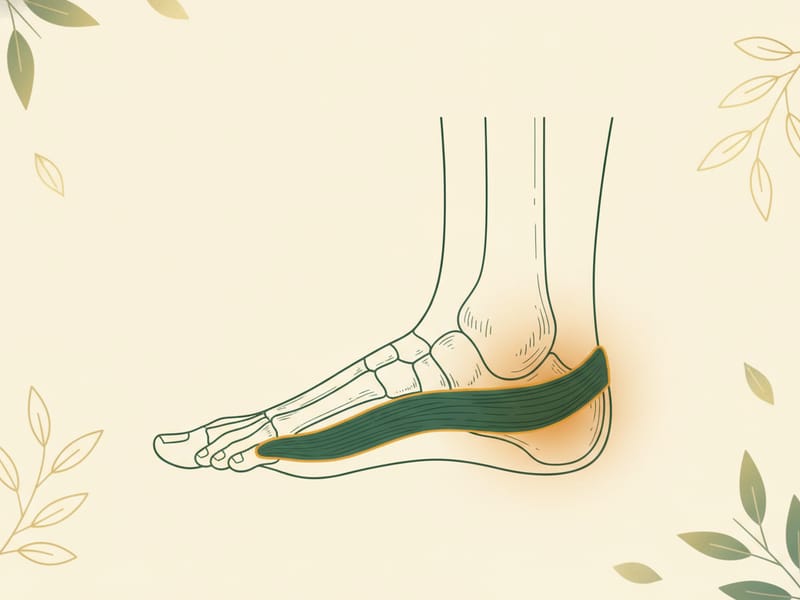
Pain under the heel from strain of the thick band (plantar fascia) under the foot, typically sharpest with the first steps in the morning.
 Sports & soft tissue
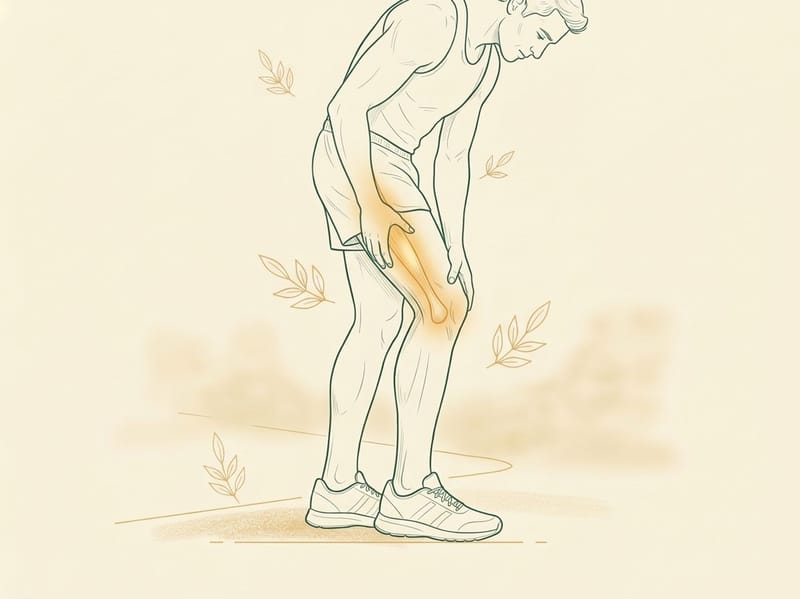
Tightness and friction of the iliotibial (IT) band, the long fibrous band on the outer thigh, causing pain on the outer knee. It often starts when weak or underactive gluteal (hip) muscles force the outer thigh to overwork.
 Sports & soft tissue
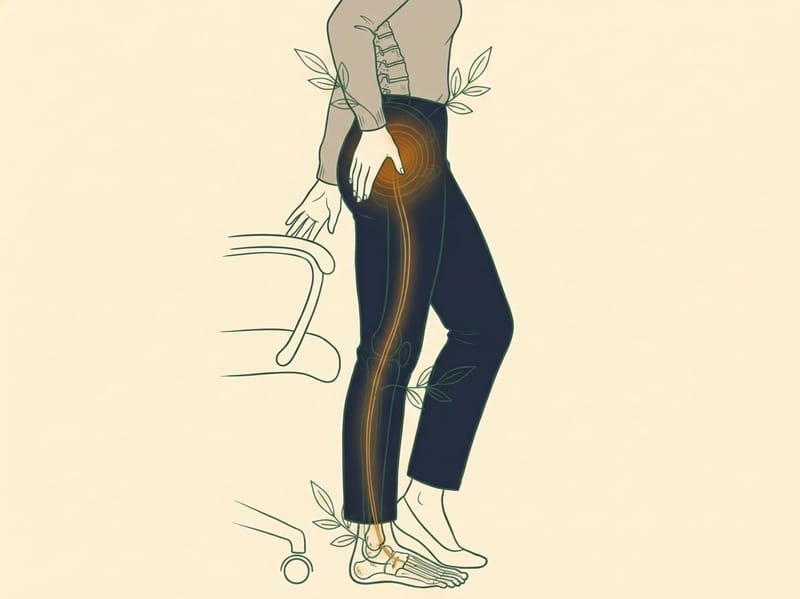
Spasm of the piriformis, a deep hip muscle in the buttock, irritating the nearby sciatic nerve. It causes deep buttock pain that can travel down the back of the thigh, and often goes hand in hand with IT band syndrome.
Signature Kerala therapies
Chosen according to your condition and stage. Many are given at partner centres; your home plan uses herbs, oils, diet and guided movement.
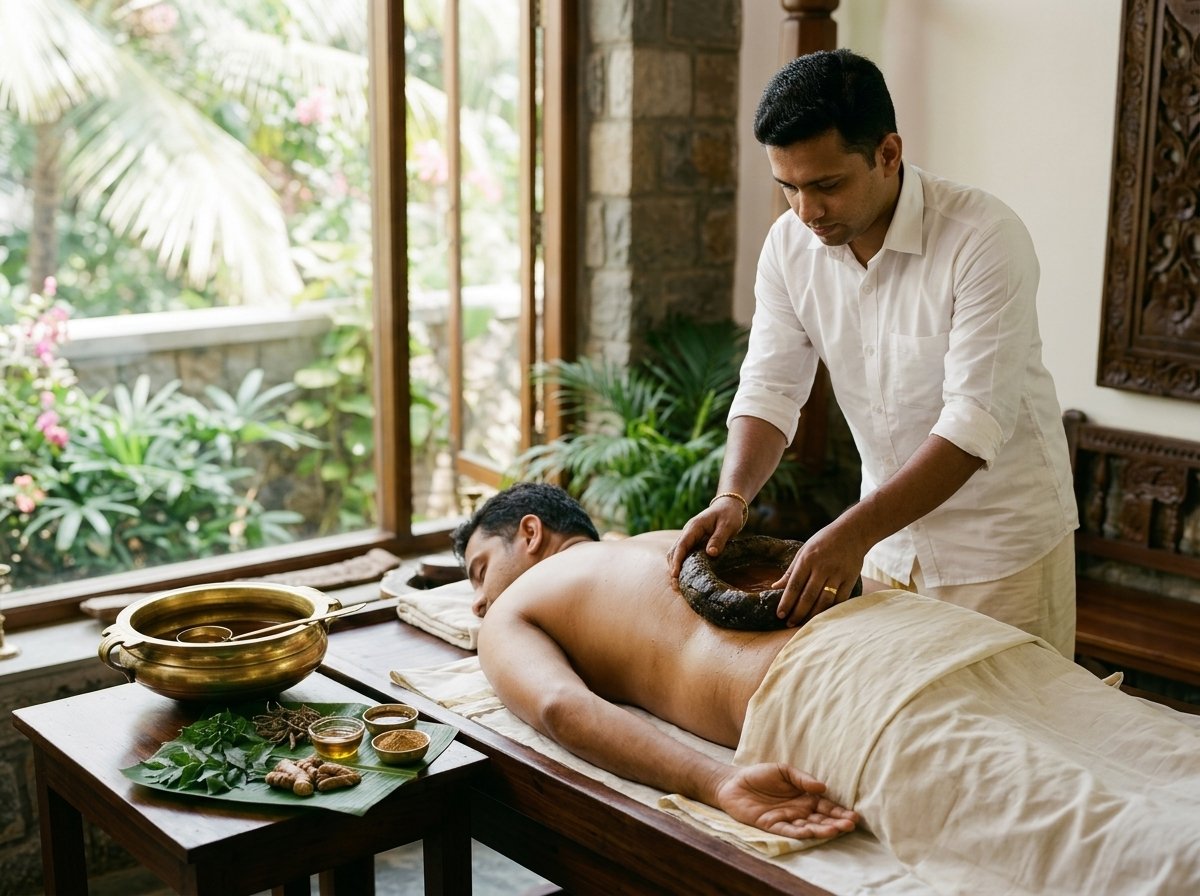
Warm medicated oil held in a dough ring over the lower back, neck or knee to nourish and ease stiffness.
Bundles of fresh medicinal leaves, warmed in oil and pressed over painful areas to reduce pain and swelling.
Rice cooked in milk and herbs, massaged in boluses to strengthen muscles and nourish wasting tissues.
A continuous stream of warm oil with gentle massage over the whole body, for widespread Vata pain.
Medicated oil or decoction enemas, considered the most important treatment for Vata disorders of joints and spine.
Dry heat with warm sand or herbal powders, used first in inflammatory arthritis to clear Ama.
Precise therapeutic heat at a tender point, a classical quick-relief method for heel pain and tendinopathy.
Gentle pressure on vital points with cooling or warming herbal pastes, especially after sports injuries.
Seek urgent medical care if you have
These signs need an emergency doctor first, not an online consultation.
Share your reports, scans and story in an unhurried video consultation with Dr. Sathya. You will get a clear explanation and a personalised plan.
Educational content for adults 18+. Not a substitute for emergency care or a diagnosis.
Quality assurance & herbal standardization
Bridging 3,000-year-old classical Ayurvedic pharmacopeia with rigorous international safety, quality, and laboratory testing protocols.
Manufacturing
Every herbal formulation is produced in Good Manufacturing Practice (GMP) compliant facilities adhering to World Health Organization guidelines for purity and batch consistency.
Quality systems
End-to-end quality management and hazard analysis protocols ensuring zero microbial contamination, strict hygiene, and international clinical safety.
Laboratory
Verified active marker compounds, heavy-metal free lab screening (ICP-MS tested), and pesticide-free wildcrafted & organic botanical sourcing.
Regulatory
Formulated under licensed Ayurvedic medical supervision, compliant with international wellness regulations, and backed by transparent Certificate of Analysis (COA) documentation.
Trust & accreditation
Have a batch number? Request its lab report.
Verify a Certificate of Analysis