 01
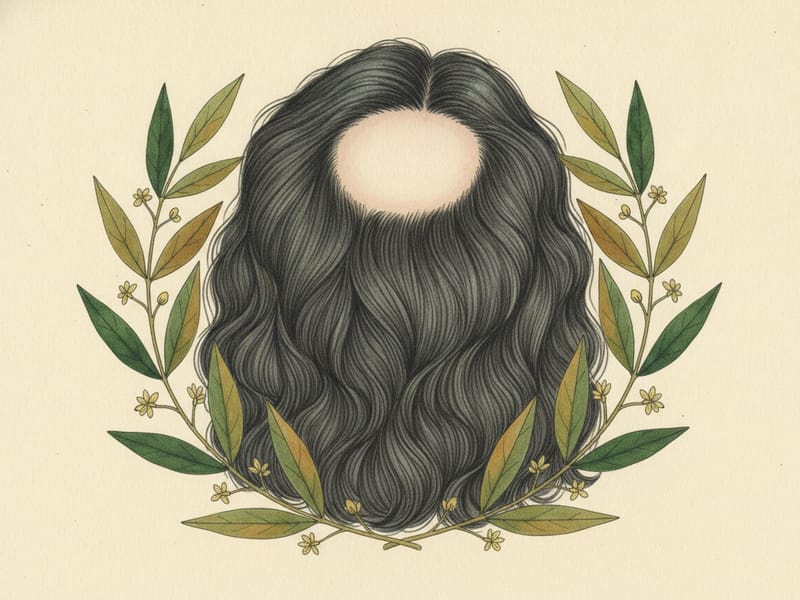
Patchy hair loss
Alopecia Areata
Sudden, smooth, coin-sized patches caused by autoimmune follicle dormancy and a localised Pitta-Vata imbalance.
Hair & Scalp Clinic · Alopecia & Trichology
Root-cause topical and internal Ayurvedic protocols tailored to your hair condition, constitution (Dosha), age and local climate, free from harsh chemicals, steroids and synthetic fragrances.
The difference
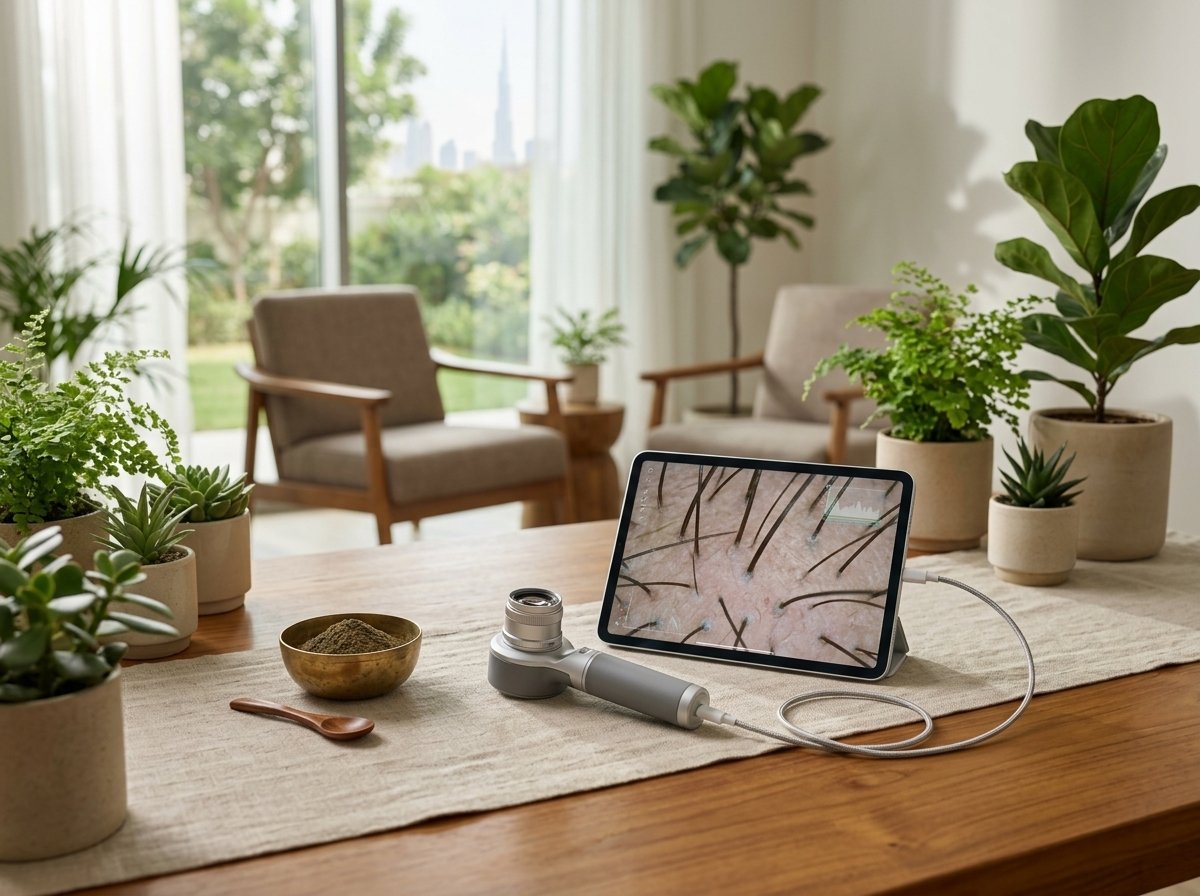
Prepared individually for your alopecia type, medical history, gender and regional climate: UAE/Gulf heat and hard water are treated differently from India or temperate countries.
Made to strict classical Ayurvedic pharmacy standards, with zero synthetic perfumes, colours or harsh chemicals.
Designed for easy daily use that fits busy professional schedules, without staining or disrupting office hours.
Addresses Pitta heat, Vata dryness, nutritional deficiencies and autoimmune scalp inflammation at the same time.
Directory
Each type of hair loss has a different root. Open a condition to see its signs, how Ayurveda reads it, and how Dr. Sathya usually approaches care.
01Sudden, smooth, coin-sized patches caused by autoimmune follicle dormancy and a localised Pitta-Vata imbalance.
 02
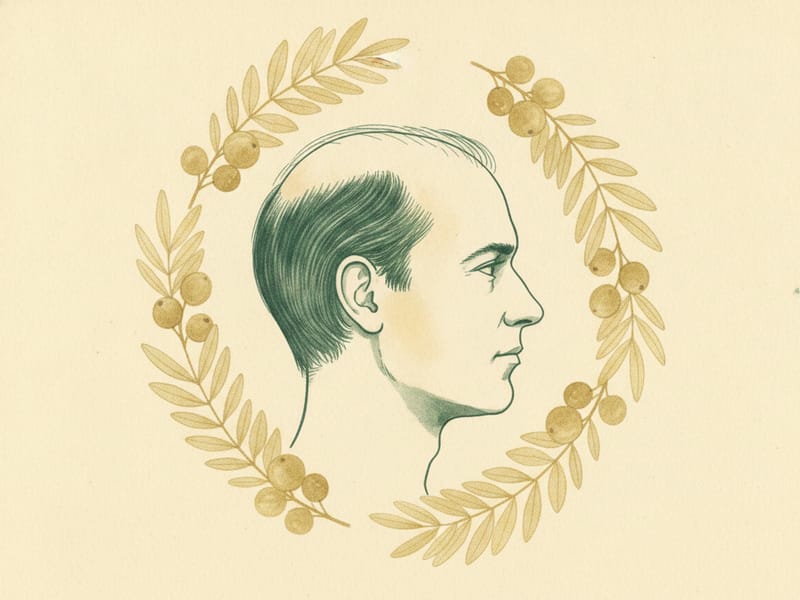
A receding M-shaped hairline and crown thinning linked to DHT sensitivity and early depletion of Asthi-Majja Dhatu.
 03
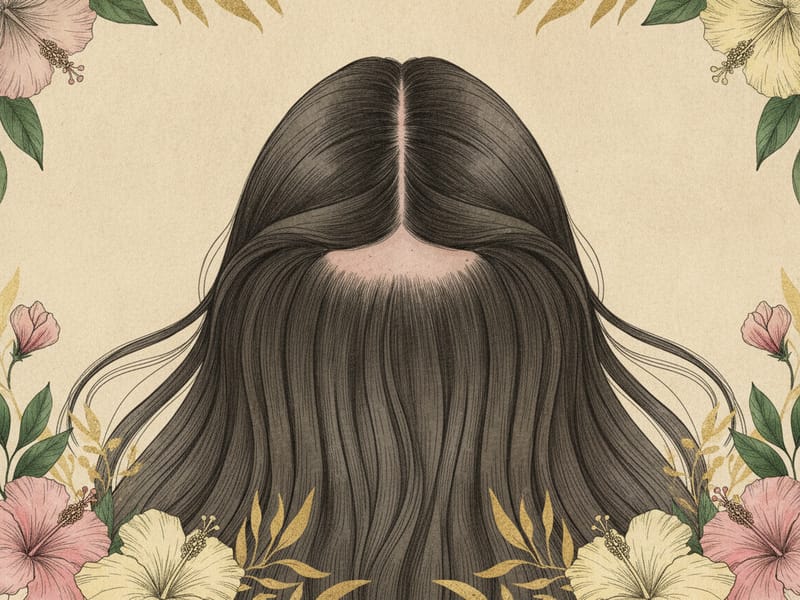
Diffuse widening of the central parting, often triggered by PCOS/PCOD, thyroid imbalance or perimenopause.
 04
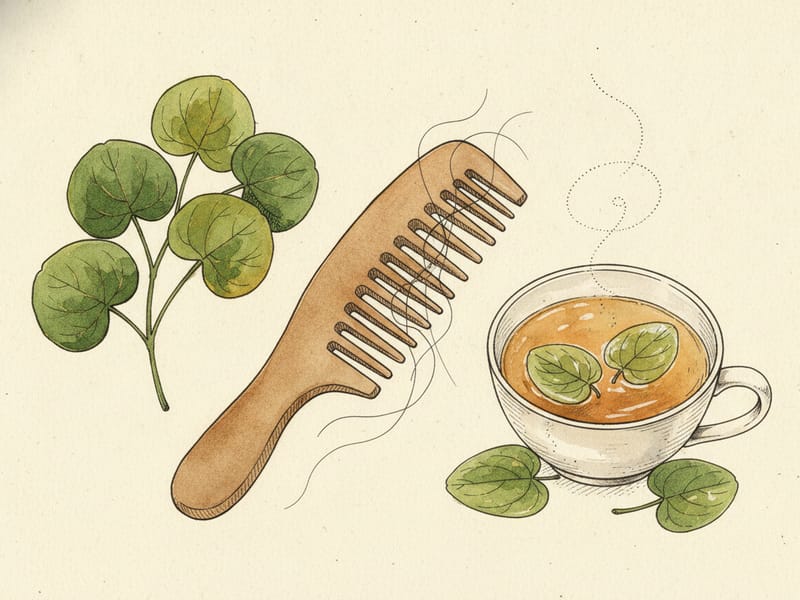
Heavy daily hair fall two to three months after acute stress, fever, crash dieting, nutritional depletion or childbirth.
 05
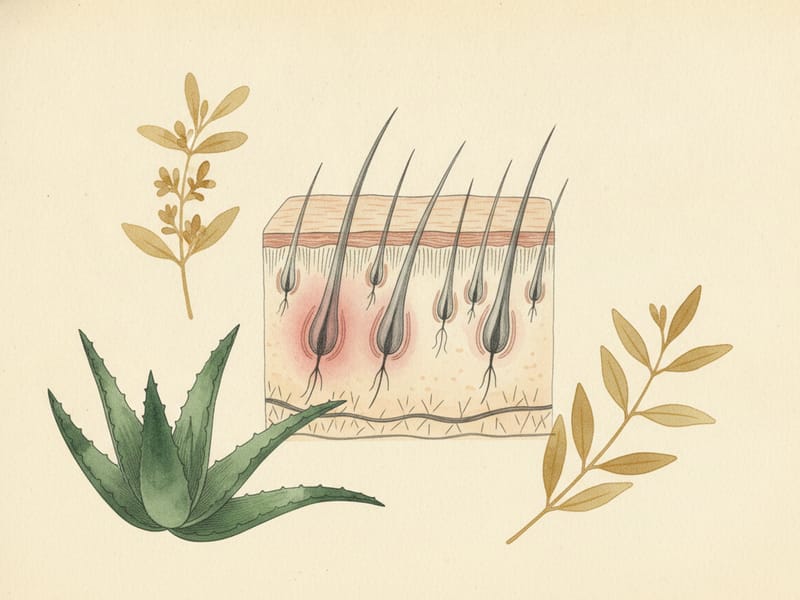
Inflammatory scalp conditions with redness, scaling or tenderness that need gentle, cooling, anti-inflammatory herbal care.
 06
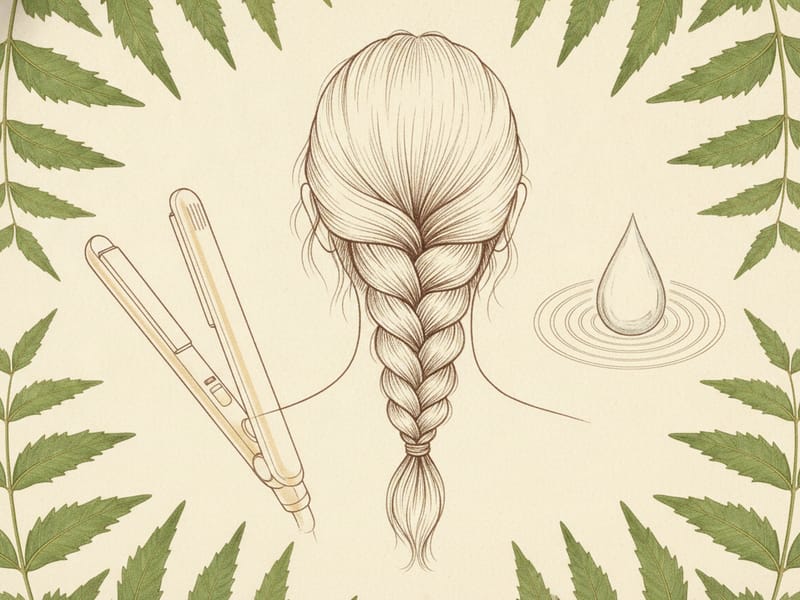
Follicle strain from tight hairstyles, hard or desalinated water (common in the Gulf), or chemical straightening and heat styling.
Scalp care guide
Itching, flakes and bumps have many different causes. Here is what patients usually notice, simple everyday care, and the classical Ayurvedic name for each.
What patients usually notice
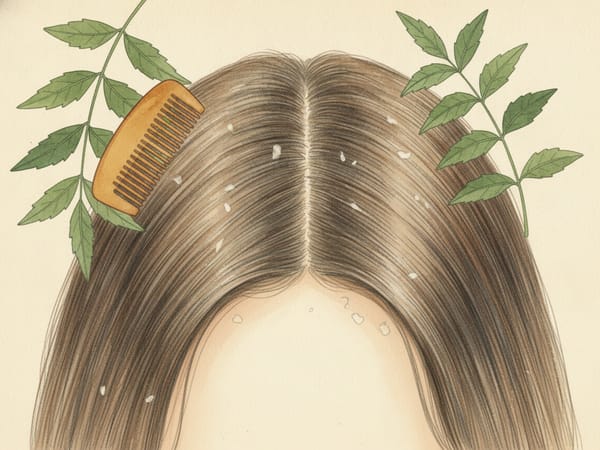
Oily or flaky white-to-yellowish scales, mild redness and itching; often linked to excess oil and normal scalp yeast.
Helpful everyday care
Gentle, regular cleansing. Avoid heavy oils on active flares unless your clinician advises them.
Ayurvedic view
Darunaka is one of the classical Kshudra Rogas: Kapha brings the sticky scale and Vata the dryness and itch.
What patients usually notice
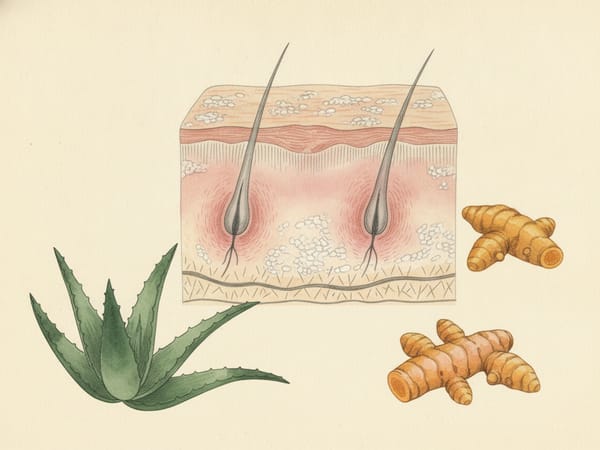
Thicker, well-defined red patches with silvery-white scales; may reach just past the hairline.
Helpful everyday care
Avoid picking or scraping the scales, which can worsen inflammation or cause bleeding.
Ayurvedic view
Described within the Kushta (skin disease) group, where Vata and Kapha with disturbed Rakta (blood) thicken the skin.
What patients usually notice
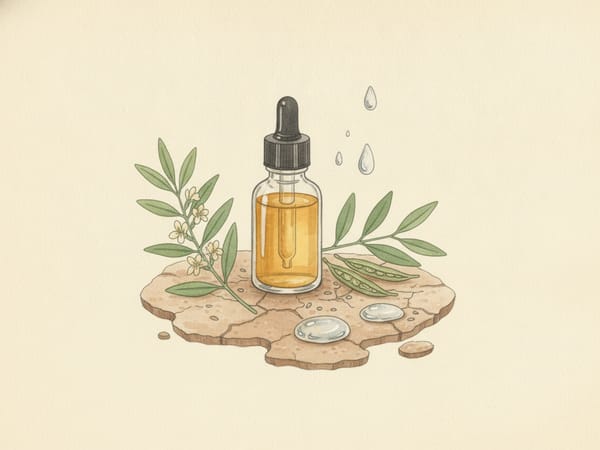
Tight, itchy skin with fine, dry white flakes; common in dry air, air-conditioning or after harsh shampoos.
Helpful everyday care
Use mild, hydrating cleansers and limit very hot water.
Ayurvedic view
Rukshata means dryness: aggravated Vata dries the scalp skin, so warm, light oiling (Shiro Abhyanga) is the classical answer.
What patients usually notice
Itching, burning, redness or tiny blisters after using hair dye, fragrances or styling products.
Helpful everyday care
Stop the suspected product and note the ingredient labels to share with your doctor.
Ayurvedic view
A reaction to an unsuitable contact (Asatmya): Pitta and Rakta flare up as heat, redness and burning.
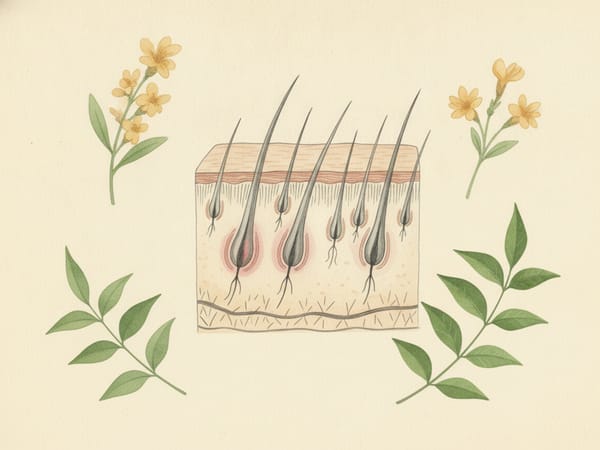
What patients usually notice
Small, tender, pus-filled bumps or sore spots around individual hair roots.
Helpful everyday care
Keep the scalp clean and avoid squeezing bumps or sharing combs and towels.
Ayurvedic view
Arunshika describes small, oozing eruptions on the head, from Kapha and Rakta with Krimi (microbes).
What patients usually notice
Contagious fungal patches with scaling, "black dot" broken hairs, itching or boggy swelling.
Helpful everyday care
Needs targeted medical treatment. Do not share brushes, hats, pillows or towels.
Ayurvedic view
Dadru is the classical ring-shaped, itchy, spreading patch. It is contagious, so medical treatment comes first.
What patients usually notice
Intense itching (often near the neck and ears) and tiny oval eggs (nits) glued near the hair roots.
Helpful everyday care
Treat household contacts as advised and wash bedding and personal items in hot water.
Ayurvedic view
Classical texts name the louse Yuka and its eggs Likhya, both counted among external Krimi (parasites).
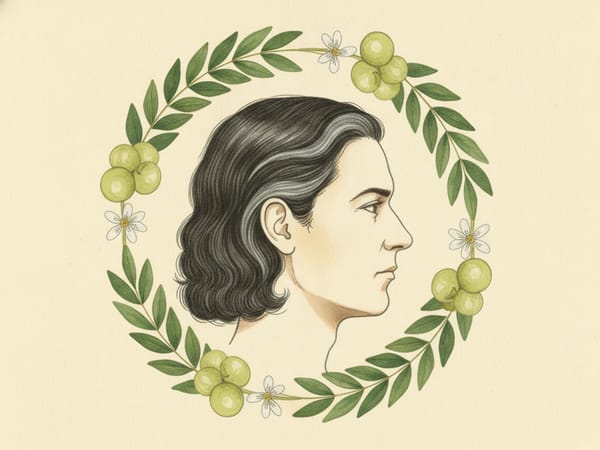
What patients usually notice
Grey or white strands appearing early, often first at the temples; sometimes with a family history or high stress.
Helpful everyday care
Check iron, B12, thyroid and vitamin D with your doctor, and protect hair from strong sun and harsh dyes.
Ayurvedic view
Palitya is linked to excess Pitta heat in the scalp; cooling Rasayana herbs such as Amalaki and Bhringraj are classical support.
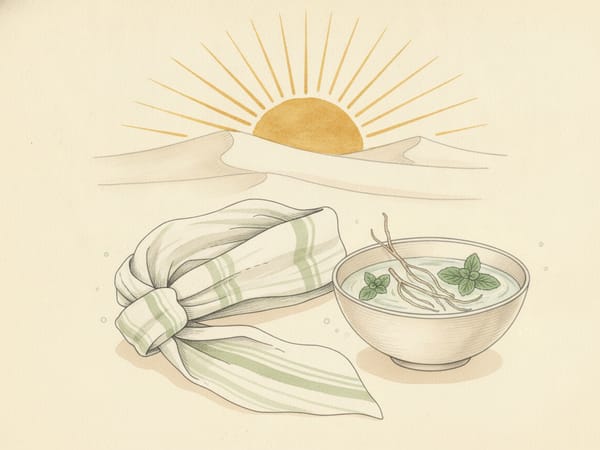
What patients usually notice
Prickly itching and tiny red bumps along the hairline and nape, worse in Gulf summers, under caps, helmets or head coverings.
Helpful everyday care
Keep the scalp cool and dry, choose breathable cotton coverings and rinse off sweat after exercise.
Ayurvedic view
Heat and blocked sweat channels (Swedavaha Srotas) aggravate Pitta, which shows as prickly, red eruptions.
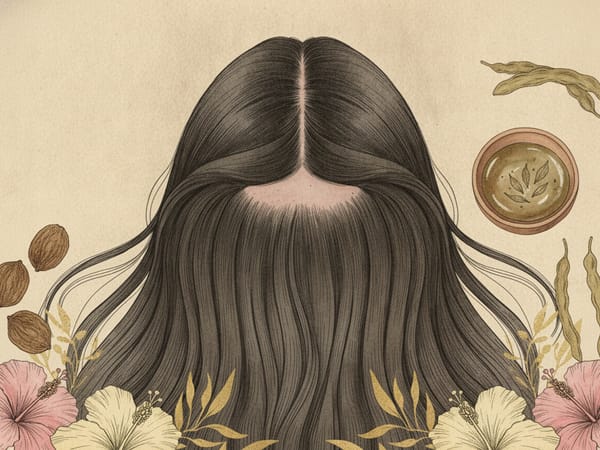
What patients usually notice
Hair looks greasy or flat within a day of washing; the scalp may feel heavy or itch.
Helpful everyday care
Wash regularly with a mild cleanser, avoid leaving heavy oils on overnight and keep brushes clean.
Ayurvedic view
Excess Kapha makes the scalp heavy and oily; classical herbal washes such as Shikakai and Reetha help to cleanse it gently.
This guide is general education, not a diagnosis. If symptoms are painful, spreading or not settling, please see your doctor or book a consultation.
Book a consultationGuides & scalp care
Practical, classical knowledge you can start using today, alongside your personalised protocol.
Ayurveda calls hair-nourishing herbs Keshya. Five of the most used in Kesha Chikitsa:
Global delivery
Your herbal oils and masks are formulated for the climate you live in, then dispatched to your door. After your assessment you receive a written protocol and a kit quote in your currency.
UAE · Saudi Arabia · Qatar · Oman · Kuwait · Bahrain · USA · UK · Europe · Canada · Australia · Singapore
Custom climate-balanced herbal kits with express international doorstep dispatch.
Video consultation
AED 250
Kit price quoted after your free assessment
All states, from Kerala to Kashmir
Formulations calibrated for Indian seasonal climates, with nationwide delivery.
Video consultation
₹5,700
Kit price quoted after your free assessment
Free case assessment
Tell us about your hair, and attach scalp photos or recent blood reports if you have them. Dr. Sathya reviews every case personally and replies with his evaluation and the next steps.
Educational information only, not a diagnosis. Sudden hair loss with fever, weight loss or other symptoms needs prompt medical review. Results vary from person to person.
Quality assurance & herbal standardization
Bridging 3,000-year-old classical Ayurvedic pharmacopeia with rigorous international safety, quality, and laboratory testing protocols.
Manufacturing
Every herbal formulation is produced in Good Manufacturing Practice (GMP) compliant facilities adhering to World Health Organization guidelines for purity and batch consistency.
Quality systems
End-to-end quality management and hazard analysis protocols ensuring zero microbial contamination, strict hygiene, and international clinical safety.
Laboratory
Verified active marker compounds, heavy-metal free lab screening (ICP-MS tested), and pesticide-free wildcrafted & organic botanical sourcing.
Regulatory
Formulated under licensed Ayurvedic medical supervision, compliant with international wellness regulations, and backed by transparent Certificate of Analysis (COA) documentation.
Trust & accreditation
Have a batch number? Request its lab report.
Verify a Certificate of Analysis